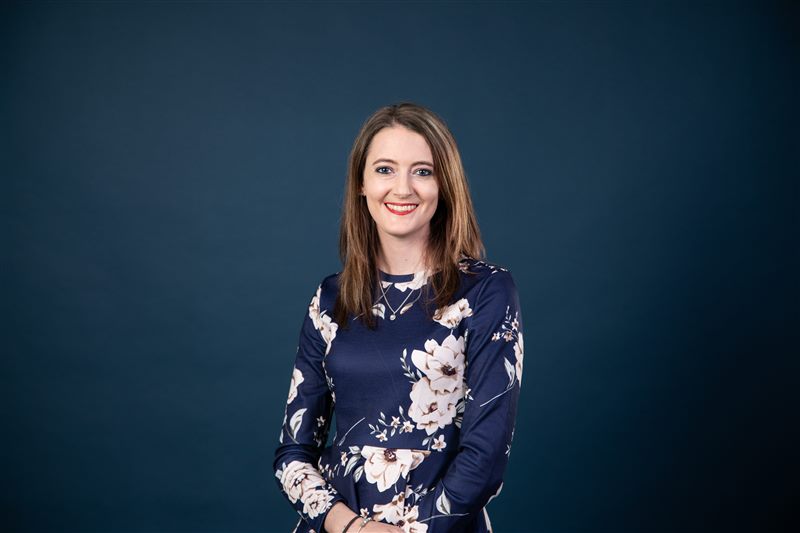
Hosted by Jabir Ahmad · TourismShift Conversations
TourismShift Conversations shares practical knowledge, professional experience, and thoughtful perspectives from people helping shape tourism around the world.
In this conversation, Dr. Zoëgné Luyt — Founding Advisor and tourism and nature management academic — reflects on biodiversity conservation, frog-based ecotourism, teaching across South Africa and Germany, and how research can support more resilient destinations.
There are no right or wrong answers in these interviews. What follows are Dr. Zoëgné’s own experiences and reflections, prepared in TourismShift’s editorial style for launch audiences.
What first inspired you to work at the intersection of tourism management, environmental management, biodiversity conservation, and ecotourism — and how has your perspective evolved?
My journey began with a deep love for animals, nature, and tourism, inspired by growing up in a veterinary household in South Africa. From an early age, I was fascinated by the connection between ecology and tourism, a passion reinforced through my school years and early research achievements. In 2008, I received national recognition at the South African National Expo for Young Scientists, earning a gold medal, the Johan Fourie Floating Trophy for Best Zoology Project, and the opportunity to represent South Africa at Intel ISEF in Atlanta, Georgia, USA, where I received the American Veterinary Medical Association’s Animal Health Award for my research on zebras. This experience confirmed my desire to pursue a career in animal research.
In 2011, I began my B.Sc. in Tourism, Zoology, and Geography at North-West University, where I excelled academically. I was recognised as the best tourism student from 2011 to 2013, received the award for Best Animal Behaviour Project in 2013, and became a member of the Golden Key International Honour Society.
My postgraduate studies strengthened my conviction that tourism can be a powerful tool for conservation. During my B.Sc. Hons, I explored how social media could raise awareness of lesser-known species, particularly frogs, by highlighting their ecological importance and improving public perception. This research evolved into my M.Sc., where I investigated the ecotourism potential of frogs in South Africa in collaboration with the Endangered Wildlife Trust (EWT) and South African National Parks (SANParks). The study examined how frog-related tourism could promote conservation awareness, educate visitors, support local communities through job creation, and establish a new ecotourism niche. To the best of my knowledge, I was the first researcher in South Africa to undertake a study of this kind. This work reinforced my belief that biodiversity can be protected through education, responsible tourism, and community engagement. It also strengthened my long-term vision of creating an animal rehabilitation centre where tourism and conservation work together to benefit wildlife and local communities.
Since completing my M.Sc. in 2018, my career has expanded across lecturing, research, project management, administration, citizen science, and travel planning. Between 2018 and 2024, I lectured full-time in Tourism and Nature Management while completing my PhD in Tourism Management at North-West University. Balancing teaching with doctoral research strengthened my resilience, discipline, and commitment to continuous growth. Although my PhD moved beyond my primary research focus of ecotourism, it broadened my perspective on tourism resilience and sustainability. My doctoral research examined how COVID-19 and other crises influence tourists’ travel decision-making, providing valuable insights into responsible travel and sustainable destination management. The project was supported by funding from the National Institute for the Humanities and Social Sciences (NIHSS) and the South African BRICS Think Tank, enabling research collaborations and conference presentations in Brazil, the Maldives, India, Mozambique, and Austria. I completed my PhD in 2024 and have now built more than eleven years of professional experience across South Africa and Germany.
Throughout my career, I have lectured in tourism and nature management, contributed to research through TREES at North-West University, and published and presented my work nationally and internationally. These experiences have shaped me as an academic, researcher, mentor, and advocate for interdisciplinary learning and sustainable development. Today, I see ecotourism as a practical pathway for wildlife conservation, environmental education, and community upliftment. My research on frog-based ecotourism and post-COVID travel behaviour, combined with my teaching experience, has strengthened my understanding of how tourism can protect biodiversity, support local economies, and develop more responsible graduates. One of my greatest rewards has been seeing former students enter the tourism, hospitality, events, and education sectors with sustainability guiding their decisions.
Looking ahead, my vision is to continue developing curricula, research, and industry partnerships that cultivate responsible decision-makers. I believe tourism can fund conservation, preserve cultural and natural heritage, reduce poverty, and create lasting community benefits when guided by education, ethics, and collaboration. What began as a childhood dream of opening an animal rehabilitation centre has evolved into a broader academic and professional mission: to use tourism as a catalyst for conservation, empowerment, and long-term sustainable change.
Having worked across both Germany and South Africa, what important lessons have these different environments taught you about sustainable tourism and destination development?
Working in both South Africa and Germany has shown me that there is no universal model for sustainable tourism. Although the principles of sustainability remain the same, every destination has unique environmental, cultural, economic, and governance contexts that require different approaches.
In South Africa, I experienced tourism as both an opportunity and a necessity for conservation and community development. The country’s exceptional biodiversity creates enormous tourism potential, but it also faces challenges such as limited resources, unemployment, and pressure on protected areas. My research on frog-based ecotourism demonstrated that tourism can generate conservation awareness, diversify local economies, and create employment opportunities when local communities are actively involved. This taught me that sustainable tourism must balance environmental protection with meaningful social and economic benefits.
Working in Germany has provided a different perspective. I have been impressed by the emphasis on long-term planning, strong governance, environmental regulations, and collaboration between public institutions, academia, and industry. Sustainability is often embedded within policies, infrastructure, and destination management rather than being treated as a separate initiative. This has reinforced the importance of strategic planning, stakeholder cooperation, and evidence-based decision-making in creating resilient destinations.
Experiencing both environments has also highlighted that successful destination development depends less on financial resources alone and more on partnerships, education, and community engagement. Whether working in a biodiversity-rich developing country or a highly structured European destination, people remain at the centre of sustainability. Local communities, tourism businesses, governments, researchers, and visitors all have a role to play in protecting natural and cultural heritage.
These experiences have shaped my own philosophy of sustainable tourism. I believe that tourism should not only attract visitors but also contribute to conservation, strengthen local livelihoods, educate travellers, and build resilient destinations for future generations. By combining the innovation and biodiversity opportunities I experienced in South Africa with the strategic planning and collaborative approaches I have observed in Germany, I hope to contribute to destination development that is both environmentally responsible and socially inclusive.
Based on your experience, how can universities better prepare students for the realities of today’s tourism industry?
Based on my experience as a lecturer, researcher, and programme coordinator across both South Africa and Germany, I believe one of the biggest challenges in tourism education is bridging the gap between academic knowledge and industry readiness. Having worked in both university and private higher education environments, I have seen the strengths of each approach. Universities are essential for developing theoretical understanding, critical thinking, research skills, and the ability to analyse complex tourism challenges. However, students also need opportunities to apply this knowledge in real-world contexts. At the same time, practical training is valuable, but industry experience alone does not always provide the theoretical foundation needed for strategic thinking, innovation, and progression into leadership roles.
The future of tourism education lies in combining both. Students should learn the theories behind sustainable tourism, destination management, and conservation, but they should also work through real industry cases, engage with tourism organisations, participate in fieldwork, and experience how these concepts are implemented in practice. A common challenge is that some graduates have the qualifications but lack workplace experience, while others have practical experience but lack the formal education needed to advance. Stronger partnerships between higher education institutions and industry can help close this gap through internships, work-integrated learning, mentorship, and collaborative projects.
Through my own teaching, I have found that students develop a much deeper understanding when they can connect theory with practical application. Ultimately, tourism education should not only prepare students for their first job; it should develop adaptable professionals and future leaders who can contribute to sustainable destination development.
What distinguishes research that creates genuine value for tourism practitioners from research that remains largely within academia?
From my perspective, research creates genuine value for tourism practitioners when it moves beyond generating knowledge and contributes to decisions, solutions, and meaningful change within the industry. Academic rigour remains essential, but research should ultimately address real challenges faced by destinations, businesses, communities, and visitors.
One of the challenges I have observed in tourism research is that a significant amount of valuable knowledge, frameworks, and recommendations are generated, but they do not always progress into practical implementation. While publishing research is important for advancing knowledge, the impact of research should also be measured by whether it helps practitioners make better decisions, develop new solutions, or create positive change. In many cases, the challenge is not a lack of ideas or research findings, but the gap between knowing what should be done and having the resources, partnerships, funding, or implementation pathways to make it happen.
This is why my own research approach has focused not only on understanding problems but also on exploring how research outcomes can be translated into practical concepts. For example, my M.Sc. research on frog-based ecotourism did not only investigate the potential of a new tourism niche; it explored how such a concept could contribute to conservation awareness, visitor education, and community development. Similarly, my doctoral research on tourism decision-making during crises aimed to provide insights that could support more resilient tourism strategies.
I believe the most impactful tourism research sits at the intersection of academia, industry, and entrepreneurship. Researchers should consider not only what can be published, but also how knowledge can be transferred, adapted, and implemented. This requires collaboration with industry stakeholders, accessible communication of findings, and, where possible, the development of practical models, tools, or initiatives that practitioners can use.
What practical steps can help strengthen the connection between academic research and real-world decision-making?
From my experience, strengthening the connection between tourism research and real-world decision-making requires moving beyond simply publishing findings towards creating research that can be applied in practice.
In my own work, I have tried to follow this approach by not only investigating tourism challenges but also developing practical concepts that could be implemented. For example, my M.Sc. research on frog-based ecotourism explored how scientific knowledge could be transformed into a potential tourism product supporting conservation, education, and community development.
- Involve stakeholders early: research should be developed with input from tourism businesses, destination managers, policymakers, and communities.
- Focus on implementation, not only recommendations: translate findings into tools, models, or initiatives that stakeholders can use.
- Improve knowledge transfer: share findings through industry reports, workshops, training, and policy briefs — not only academic publications.
- Build collaborative partnerships across academia, industry, government, and communities.
What conditions are essential for ecotourism to genuinely benefit both local communities and natural environments?
From my experience, ecotourism has the potential to be a powerful tool for sustainable development, but it does not create positive outcomes automatically. For ecotourism to genuinely benefit both local communities and natural environments, several conditions need to be in place.
My own research on frog-based ecotourism in South Africa reinforced these principles. I explored how a lesser-known species could become a tourism opportunity that supports conservation awareness, visitor education, and community development. The research demonstrated that even small and overlooked natural assets can create value when they are managed responsibly. Ecotourism should not be viewed simply as bringing visitors into natural areas. Its success should be measured by whether it protects ecosystems, improves local livelihoods, educates travellers, and creates long-term value for both people and the environment.
- Conservation must be the foundation: tourism should support biodiversity and ecosystems, not only use natural areas as attractions.
- Local communities must be active participants in planning, decision-making, ownership, and implementation.
- Education and responsible visitor behaviour are essential.
- Strong partnerships and management are required across communities, conservation organisations, governments, researchers, and tourism businesses.
What approaches have you found most effective in ensuring that local communities become meaningful partners rather than simply participants?
Meaningful community involvement requires moving beyond viewing communities as participants or beneficiaries and recognising them as equal partners, knowledge holders, and decision-makers in tourism development. A key approach is ensuring that communities are involved from the earliest stages of destination planning. Tourism initiatives should be co-created with communities by considering their priorities, local knowledge, cultural values, and understanding of the environment. When communities have a voice in shaping tourism products and strategies, they are more likely to develop a sense of ownership and responsibility towards their long-term success.
However, participation alone is not enough. Communities need the capacity and resources to actively engage in tourism development through skills training, entrepreneurship opportunities, access to markets, and involvement in decision-making structures. Sustainable tourism should not only create employment opportunities but also enable communities to influence, manage, and benefit from tourism activities.
This principle has influenced my own research approach. My M.Sc. research on frog-based ecotourism explored how biodiversity could become a platform for conservation awareness, visitor education, and community development. Similarly, my PhD research focused on developing a travel decision-making framework during crisis events, with the aim of helping destinations better understand tourist concerns and develop strategies to remain attractive and resilient during periods of uncertainty. This highlighted the importance of supporting communities and destination managers with practical tools that enable them to make informed decisions rather than simply reacting to crises.
Successful community-based tourism depends on shared ownership, meaningful partnerships, and the ability of communities to adapt to changing circumstances. Communities should not be viewed as resources that support tourism; they should be recognised as key actors who contribute knowledge, innovation, and stewardship. When communities have both the opportunity and the capacity to shape tourism development, destinations become more sustainable, resilient, and beneficial for both people and the environment.
Across your work in tourism and environmental management, what challenge do you believe deserves far greater attention over the next five years?
One challenge that deserves far greater attention over the next five years is ensuring that tourism development remains human-centred, evidence-based, and sustainable in an era of rapid technological change, environmental pressure, and increasing uncertainty.
Artificial intelligence (AI) has significant potential to support tourism research and destination management by improving data analysis, identifying trends, enhancing visitor experiences, and supporting decision-making. However, I believe greater attention is needed on ensuring that AI complements rather than replaces human expertise. Research is not only about processing information; it requires critical thinking, ethical judgement, contextual understanding, creativity, and engagement with people and places. There is a risk that over-reliance on AI-generated information could reduce the value placed on authentic research, fieldwork, and the expertise of researchers and practitioners. This is particularly important in tourism and environmental management, where decisions often involve complex social, cultural, and ecological considerations that cannot be fully understood through data alone. Destinations need researchers and professionals who can interpret information, engage with communities, understand local contexts, and develop solutions that are both innovative and responsible.
At the same time, destinations must address ongoing challenges such as climate change, biodiversity loss, community inclusion, and resilience to future crises. My own research has highlighted the importance of preparing destinations for uncertainty, whether through conservation-focused tourism models or frameworks that help destinations understand traveller decision-making during crisis events.
Over the next five years, I believe researchers, destinations, and policymakers should focus on creating a balance between technological innovation and human capability. AI should be used as a tool to enhance research and decision-making, not as a replacement for the curiosity, expertise, and critical thinking that drive meaningful innovation. The future of tourism depends on our ability to combine advanced technologies with responsible human leadership, protecting natural and cultural resources while creating destinations that are resilient, inclusive, and sustainable.
You recently joined TourismShift as a Founding Advisor. What encouraged you to become involved at this early stage of the platform’s development?
My decision to become involved with TourismShift as a Founding Advisor was driven by my belief that the future of tourism depends on stronger collaboration, knowledge exchange, and meaningful connections between people across the sector. After relocating to Germany and experiencing a career transition, I quickly realised that traditional approaches to finding opportunities, such as simply submitting CVs, are no longer enough in today’s competitive job market. Success increasingly depends on building networks, sharing expertise, collaborating with others, and creating opportunities through meaningful professional relationships. Once I shifted my focus towards connecting with people, exchanging ideas, and actively contributing to the tourism community, I began receiving consulting opportunities and discovering new possibilities that would not have emerged through applications alone.
This experience made me reflect on how many talented tourism professionals, researchers, graduates, and industry specialists may face similar challenges. Often, the issue is not a lack of skills or knowledge, but a lack of access to networks, platforms, and communities where people can collaborate, share opportunities, and support each other’s growth.
I saw TourismShift as an opportunity to help create exactly that type of environment. The platform represents a shift towards a more connected and collaborative tourism ecosystem where researchers, practitioners, educators, entrepreneurs, and destinations can exchange knowledge and work together to address industry challenges. Joining at an early stage allows me to contribute my experience in sustainable tourism, nature management, research, and education while helping shape a platform that can support professionals and create meaningful connections across the sector.
For me, TourismShift is not only about sharing knowledge, but it is also about building a community where collaboration becomes a pathway for innovation, professional growth, and more sustainable tourism development.
Where do you believe a global knowledge ecosystem like TourismShift can create the greatest value for the tourism sector?
A platform like TourismShift can create the greatest value by becoming the bridge that connects people who often work in separate spaces but are addressing the same tourism challenges. One of the biggest challenges in tourism is not a lack of knowledge, research, or innovative ideas; it is the gap between those generating knowledge and those who need to apply it. Throughout my career in tourism education and research, I have seen that academics, industry professionals, destinations, and communities often develop valuable insights independently, but there are limited opportunities to continuously exchange ideas and collaborate beyond traditional conferences or institutional boundaries. TourismShift has the potential to change this by creating an active global ecosystem where knowledge is not only shared but transformed into practical solutions.
For researchers, TourismShift provides an opportunity to understand the real challenges faced by destinations and industry practitioners, ensuring that research remains relevant and impactful. For destinations and businesses, it creates access to expertise, new ideas, and evidence-based approaches that can support better decision-making. For educators, it provides a space to connect learning with industry realities and prepare students with the skills needed for the future tourism sector.
I believe one of TourismShift’s greatest strengths is its ability to bring together diverse perspectives from different regions and disciplines. Tourism challenges such as sustainability, climate change, conservation, community development, digital transformation, and crisis resilience cannot be solved by one group alone. They require collaboration between people with different forms of knowledge and experience.
Having experienced the value of professional networks and collaboration during my own career transition, I have seen how powerful knowledge exchange and meaningful connections can be. TourismShift represents an opportunity to build a community where people do not only consume information but actively contribute, collaborate, and create solutions together. The greatest value of TourismShift lies in turning a global network into a global learning and action ecosystem, one where ideas move beyond discussion and become practical approaches that strengthen tourism destinations, organisations, and communities.
What advice would you offer to early-career researchers and tourism professionals who hope to contribute to a more responsible and sustainable future for tourism?
One of the most important lessons I have learned throughout my journey is that building a sustainable future for tourism requires curiosity, collaboration, and a willingness to share knowledge. Early-career researchers and tourism professionals should not only focus on what they can gain from others, but also on what they can contribute. In today’s competitive environment, it is understandable that people want recognition and fair compensation for their expertise. However, I believe that meaningful knowledge exchange often creates opportunities that cannot be predicted. When we share ideas, support others, and contribute to professional communities, we build trust, strengthen networks, and create relationships that can lead to future collaborations, research opportunities, consulting projects, and career growth.
Another important lesson is not to separate research, education, and industry practice. The most valuable contributions come from understanding real-world challenges and finding ways to apply knowledge to create positive change. Researchers should engage with communities, destinations, and industry professionals, while practitioners should remain open to evidence-based approaches and new ideas.
I would also encourage early-career professionals to be adaptable and proactive. The tourism industry is constantly evolving, and opportunities do not always come through traditional pathways. Building networks, participating in knowledge communities, attending discussions, and contributing to conversations within the sector can often create opportunities that formal applications alone cannot. My own journey has reinforced the importance of collaboration. Through research, teaching, international partnerships, and my involvement with platforms such as TourismShift, I have seen how exchanging ideas and connecting with others can create opportunities for innovation and growth.
Creating a more responsible and sustainable tourism future requires people who are willing to share knowledge, learn from others, and work collectively. Individual achievements are important, but lasting change happens when expertise is shared and transformed into solutions that benefit destinations, communities, and future generations.