Hosted by Jabir Ahmad · TourismShift Conversations
TourismShift Conversations is an interview series that brings together leading voices from across tourism, hospitality, academia, destinations, and industry to explore the ideas shaping the future of tourism.
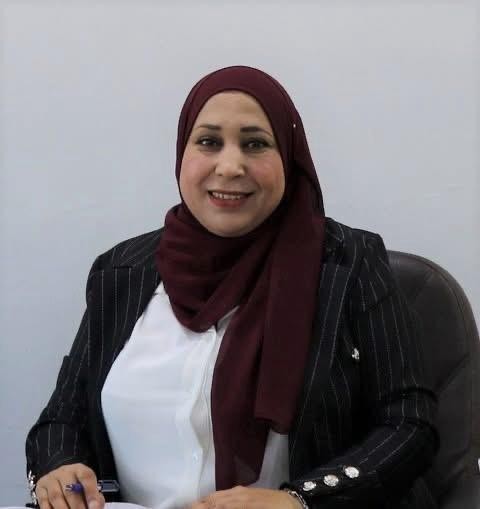
In this conversation, Dr. Muna Slehat, Associate Professor of Tourism Management at the University of Jordan, shares her perspectives on sustainable destination development, tourism education, community engagement, digital transformation, and the future of Jordan's tourism sector.
Drawing on her experience in research, academic leadership, quality assurance, and interdisciplinary collaboration, Dr. Slehat reflects on the importance of connecting universities, industry, governments, and local communities to create more resilient, inclusive, and sustainable destinations.
As part of the TourismShift Jordan Destination Hub, this interview contributes to a growing collection of research, professional perspectives, and destination knowledge designed to inspire learning, encourage collaboration, and support the future of tourism in Jordan and beyond.
Please introduce yourself and briefly share your journey into tourism education, research, and academia.
Dr. Muna Slehat, an Associate Professor of Tourism Management at the University of Jordan, currently contributing to the Hospitality Management and Event Management programs. I hold a PhD in Tourism Management from Katholische Universität Eichstätt-Ingolstadt, Germany.
My journey into tourism education and academia has been driven by a strong belief that tourism can serve as a catalyst for sustainable development, cultural heritage preservation, and community empowerment. Over the past eight years, I have combined teaching, research, academic leadership, and community engagement to prepare future tourism professionals while strengthening the connection between university, industry, and local communities.
My expertise includes tourism management, tourism planning, sustainable tourism development, agritourism, heritage-based community development, academic accreditation and quality assurance, and stakeholder engagement. My research focuses on the sustainable development of tourism destinations, community perceptions of tourism, and heritage management. More recently, I have expanded my research to explore digital transformation, generative AI, and innovative teaching approaches in tourism education, with a particular focus on the impact of mobile application use on tourism attitudes and cognitive achievement among tourism students.
Beyond research and teaching, I have been actively involved in UN Tourism TedQual accreditation, national quality assurance initiatives, curriculum development, and the establishment of new academic programs. I am also passionate about community engagement, having founded and led initiatives that promote sustainable tourism, heritage preservation, youth empowerment, and environmental awareness.
Looking back on your career, what experience has shaped your professional perspective the most?
The experience that has shaped my professional perspective the most has been bridging the gap between academic research and real-world tourism development through a range of community-based and interdisciplinary initiatives. Throughout my career, I have come to believe that tourism education and research create their greatest value when they extend beyond academic knowledge to generate tangible, lasting benefits for destinations and the communities they serve.
This perspective was first shaped through my work on the sustainable development of Iraq Al-Amir, beginning with my master's and doctoral research and continuing through a series of community-based initiatives. These experiences demonstrated how tourism can preserve cultural heritage while creating meaningful economic and social opportunities for local communities, reinforcing my belief that research should extend beyond academic publications to generate lasting real-world impact.
Building on this philosophy, I led two interdisciplinary initiatives in collaboration with my colleague from the Department of Architecture, Dr. Ahlam Harahsheh: Iraq Al-Amir: A Model for Sustainable Urban and Tourism Development and Revitalizing Iraq Al-Amir: Designing a Cultural and Agritourism Corridor as an Infrastructure of Care. These initiatives brought together students from the Departments of Tourism Management and Architecture, who collaborated throughout every stage of the projects to develop integrated spatial and tourism development proposals grounded in local realities.
The same philosophy also inspired me to establish the Jordanian Roots Initiative at the School of Archaeology and Tourism, University of Jordan. This institutional community engagement program promotes national identity, preserves Jordan's rich cultural and natural heritage, and advances sustainable tourism through experiential learning, volunteerism, field-based activities, and community partnerships. It has been officially featured on the University of Jordan Sustainability Platform under Community Outreach Projects.
What do you believe is the biggest challenge facing tourism destinations today?
I believe the biggest challenge facing tourism destinations today is not a single issue, but a series of interconnected challenges that threaten their sustainability, resilience, and long-term value creation. Tourism's future will depend not only on recovering from crises such as the COVID-19 pandemic, but also on adapting to long-term structural challenges, including climate change, digital transformation, overtourism, labor shortages, and increasing socio-cultural and environmental pressures.
Addressing these challenges requires a shift from tourism growth to adopting evidence-based decision-making and collaborative, innovation-driven destination management that actively engages local communities.
From your perspective, what makes Jordan a distinctive tourism destination, and what can other destinations learn from it?
From my perspective, what makes Jordan a truly distinctive tourism destination is the remarkable diversity of experiences it offers within a relatively small geographical area. Jordan is home to world-renowned heritage sites such as Petra, one of the New Seven Wonders of the World, as well as some of humanity's earliest settlements. As a historic crossroads connecting Asia, Africa, and Europe, Jordan has long served as a meeting point of cultures, trade, and ideas.
Beyond its extraordinary heritage, Jordan offers a diverse tourism product that includes archaeological and cultural heritage, religious tourism, nature-based and adventure experiences, wellness tourism, and breathtaking desert landscapes. Above all, Jordan is renowned for the generosity and genuine hospitality of its people. Visitors quickly discover that Jordanians are always willing to help and go out of their way to make guests feel welcome.
I believe other destinations can learn from Jordan's ability to build a strong and distinctive tourism identity. Jordan has successfully positioned itself as a destination in its own right by highlighting its unique cultural, historical, natural, and experiential assets rather than relying solely on joint tourism programs with neighboring countries. Experiences such as Bedouin camps in Wadi Rum, authentic local cuisine, traditional hospitality, and active community participation demonstrate how tourism can preserve local identity while generating meaningful economic and social benefits for residents.
Where do you see the greatest opportunity for Jordan’s tourism sector over the next decade?
The greatest opportunity for Jordan’s tourism sector over the next decade lies in embracing comprehensive digital transformation, adopting smart tourism marketing, and strengthening community-based experiential tourism in ways that keep pace with global developments and enhance the sector’s management efficiency and competitiveness.
What role should universities and tourism researchers play in supporting destination development and tourism policy?
Universities and tourism researchers should play a vital role as key drivers of sustainable destination development through applied research, capacity building, and solution-oriented innovation. By generating reliable data, evidence-based analyses, impact assessments, and forecasting models, they provide policymakers and destination managers with the knowledge needed to formulate informed tourism policies and respond effectively to emerging challenges.
Universities should also develop applied, technical, and industry-oriented academic programs that respond to the evolving needs of the tourism sector. These programs should equip students with the digital, technical, leadership, and managerial competencies required to manage destinations professionally. A good example is the University of Jordan's recent launch of seven new technical bachelor's degree programs through its Technical College, including Hospitality Management and Customer Service. Such initiatives help bridge the gap between academia and industry, ensuring graduates are well prepared to contribute to destination development and the future needs of the tourism sector.
What does sustainable tourism mean in the context of Jordan, and where do you see the greatest opportunities for progress?
In the Jordanian context, sustainable tourism means achieving a balance between protecting natural resources and cultural heritage, enhancing the well-being of local communities, and providing visitors with authentic, high-quality tourism experiences. It is not limited to the environmental dimension; it also encompasses preserving cultural identity, supporting local enterprises, empowering women and young people, creating decent employment opportunities, and ensuring a more equitable distribution of tourism’s economic benefits across all regions of the Kingdom.
In my view, the greatest opportunity for progress lies in moving from isolated initiatives toward an integrated national model that embeds sustainability into destination planning, management, and performance measurement. This can be achieved by expanding community-based, rural, agritourism, and adventure tourism; managing water, energy, and waste resources efficiently; protecting sensitive sites from tourism pressure; and leveraging digital transformation and data-driven solutions to manage visitor flows. Progress also requires strong partnerships between the government, the private sector, universities, and local communities, ensuring that sustainability becomes a measurable practice rather than merely a slogan.
How can governments, academia, local communities, tourism businesses, and international organisations work together more effectively?
Effective collaboration in the tourism sector requires a shared vision that brings together governments, academia, local communities, tourism businesses, and international organizations, with each stakeholder acting as a partner in planning, implementation, and evaluation rather than working in isolation. Governments should establish enabling policies and regulatory frameworks, while universities contribute through applied research, innovation, capacity building, and the preparation of highly skilled professionals. Local communities should be actively engaged in decision-making to ensure tourism generates equitable economic and social benefits while preserving cultural identity.
Ultimately, the future of tourism depends on replacing fragmented approaches with collaborative ecosystems in which governments, academia, tourism businesses, local communities, and international organizations co-create solutions. By combining knowledge, innovation, and shared responsibility, stakeholders can develop more resilient, inclusive, and sustainable destinations that create lasting value for both visitors and host communities.
What advice would you give to the next generation of tourism and hospitality professionals?
My message to the next generation of tourism and hospitality professionals is simple: Don't just prepare for the jobs of today—help shape the tourism of tomorrow. The future will belong to those who combine academic knowledge with practical experience, innovation, and the ability to harness digital technologies, artificial intelligence, and data analytics to create smarter, more sustainable, and more resilient destinations.
At the same time, never lose sight of the fact that tourism is, above all, a people-centered industry. Technology can support decision-making, but it can never replace creativity, empathy, ethical leadership, or a genuine understanding of the needs of local communities and visitors.
I also encourage them to become leaders of change rather than simply employees in the sector. Stay curious, keep learning, embrace innovation, and have the courage to challenge conventional thinking with new ideas. Build meaningful partnerships with local communities, because the success of tourism should not be measured solely by visitor numbers, but by the positive impact it creates for people, culture, the environment, and the economy.
If you could influence one long-term change that would strengthen Jordan’s tourism sector, what would it be, and why?
If I could influence one long-term change to strengthen Jordan’s tourism sector, it would be to establish an integrated national ecosystem for developing tourism human capital that effectively bridges higher education and industry needs. The future of tourism depends not only on the diversity of destinations and tourism products, but also on a highly skilled workforce capable of driving innovation, professional destination management, leveraging digital technologies, artificial intelligence, and data analytics, and delivering exceptional visitor experiences.
Achieving this vision requires modernizing applied academic curricula, expanding work-integrated learning models such as 3+1 Cooperative Education Programs, strengthening lifelong professional development, and fostering long-term partnerships among universities, the industry, and the government. Investing in people is the most sustainable investment a country can make because human capital is the foundation of a competitive, resilient, and future-ready tourism sector. Ultimately, strong destinations are built by skilled people, not just remarkable places.
If you could describe the future of tourism in Jordan and beyond in one sentence, what would it be?
The future of tourism in Jordan and beyond lies in empowering people, integrating technology, and building sustainable destinations where communities and visitors thrive together.
Quick Insights
A destination in Jordan that inspires you the most: Wadi Rum.
One tourism or hospitality leader you admire: I don't believe it's possible to single out just one leader. Tourism has been shaped by many inspiring professionals, each contributing in different ways to the sector's development.
A book every tourism professional should read: Tourism: Principles, Practices, Philosophies by Charles R. Goeldner and J.R. Brent Ritchie.
One tourism trend you’re watching closely: the integration of artificial intelligence and digital applications across the tourism industry.
One misconception about tourism you’d like to change: I would like to change the perception of tourism as merely a leisure industry and reinforce its role as a driver of sustainable development, innovation, and long-term prosperity.
One word that describes the future of tourism: Smart.