AbstractThis thesis opens up the reader's mind about the experience of Carnival in Gran Canaria. It offers results of questionnaires and opinions of visitors from different countries, leading towards a recommendation for a more inclusive Carnival experience.
Gran Canaria is a small Atlantic island whose culture blends Canary, Spanish, Moorish, Latin-American, and South American influences. Since the early twenty-first century it has expanded as a festival tourism destination during Carnival in February and March. Municipalities organise street parades open to everyone and staged events such as Carnival Queen, Drag Queen, murga, and comparsa competitions.
Tourists are often treated as passive observers seeking pleasure at a distance from deeper meanings — what Urry and Larsen call the "tourist gaze." Festival events, however, can convert looking into a multi-sensory experience of masks, costumes, music, dancing, food, and ritual, potentially activating what Wang terms existential authenticity and what Turner describes as communitas.
The main research question asks how the Carnival experience of contemporary foreign tourists in Gran Canaria relates to how that experience is represented in tourism advertisements, newspapers, and online articles. Fieldwork centres on Las Palmas Carnival 2018, with supporting insights from Agüimes and Maspalomas.
Keywords: Carnivals; tourist gaze; Gran Canaria; festival tourism; existential authenticity. Supervisors: M. Steenmeijer; second reader: B. Adriaensen (Radboud University).
1. Academic Recognition of Carnivals
Carnivals have long drawn scholarly and literary attention — from Goethe and Stendhal on Rome to Twain on Mardi Gras. Rockefeller distinguishes fiestas, festivals, and carnivals: carnival is something you do, not only watch, dissolving the line between audience and performers. Bakhtin likewise frames carnival as a universal participatory condition of freedom and renewal.
Eliade links carnival to life cycles, chaos and order, and rituals of ending and rebirth — illustrated in Gran Canaria by the burlesque funeral and burning of a papier-mâché fish. Masks and costumes (Mathieu) transform identity and anonymity; food imagery, exaggerated bodies, and cross-dressing recur as symbols of regeneration.
Gran Canaria Carnival traditions likely travelled with Iberian colonisation and Italian-influenced masked balls, becoming community entertainment by the late nineteenth century. Las Palmas Carnival uniquely combines a festival (staged contests) with a carnival (participatory parade). The 2018 theme was Magic and Fantastic Creatures; Drag Queen, Queen, murga, and comparsa contests sit alongside the Gran Cabalgata.
2. Methodology and Expectations
To answer what the Carnival experience of contemporary foreign tourists is, 33 questionnaires were distributed to English, Spanish, Dutch, and German-speaking visitors during Las Palmas Carnival in February 2018, plus shorter recorded interviews when time was limited. Motivation categories were Culture, Education, Togetherness, Creative expression, and Entertainment.
Expectations varied: some anticipated colourful, participative street celebration; others expected scheduled spectacles and felt incomplete after seeing only the parade. Several visitors had not planned for Carnival but stayed once they learned it was underway, recognising its local importance.
3. Questionnaire Results: Why Tourists Attend
Togetherness led motivations (45.5%), followed by entertainment (39.4%), then culture and creative expression (27.3% each). Education was selected by no respondents. Visitors emphasised equality of participation across age, nationality, and appearance — Bakhtin’s levelling of hierarchy — and described feeling invited into a shared Carnival spirit with locals.
Culture mattered but was often hard to read: few tourists recognised Canary folklore within the international fusion, and the Traditional Carnival (white dress and talcum) was rarely understood. Entertainment frequently combined with other motives rather than standing alone. Creative expression was valued especially in costume craft and Drag Queen performance.
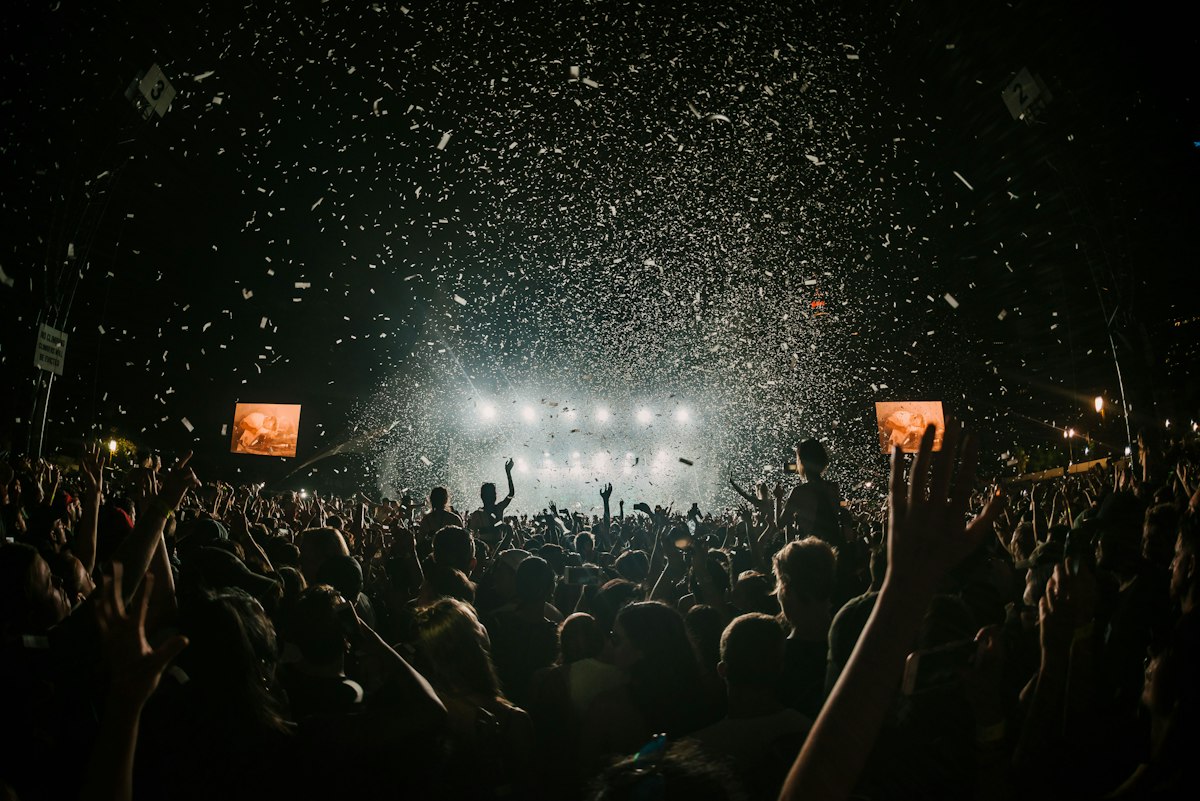
About 39% were not on the island primarily for Carnival. The parade was the most cited significant moment (21%), valued for accessibility; staged events were spectacular but harder to interpret. Memorable images included fantastic creatures, gender-related costumes, political satire, and occasional contested religious imagery — confirming carnival as a space that can both challenge and reinforce social categories.
- Togetherness 45.5% · Entertainment 39.4% · Culture 27.3% · Creative expression 27.3% · Education 0%
- Parade most remembered; Drag Queen highly praised in interviews though under-cited in the significance table
- Creative Director Israel Reyes: Canariedad is weakly defined in the current narrative; Las Palmas is a cultural crossroads absorbing Brazilian, Venezuelan, Colombian, and Tenerife influences
4. How Media Represents the Tourist Experience
Media images circulate through Jenkins’s circle of representation: promotional imagery shapes expectations, visitors reproduce images, and later visitors chase those images. The 2018 Canary Carnival hymn stressed world-wide participation, yet tourists rarely appear as active narrative agents.
Las Palmas posters and brochures emphasise staged spectacle (Queen, Drag Queen, dancers) more than street togetherness — inviting observation more than participation. Official websites frame Carnival as a major tourist attraction adapted to mass leisure, while guidebooks often stress crowds and display. A few blogs invite dressing up, but still prescribe rather than open choice.
The gap is clear: tourists report seeking mutual participation and emotional immersion, while much tourism media casts them as passive consumers of a standardised mass event, risking placelessness and diluted individual experience.
5. Conclusion
Gran Canaria Carnival experience is shaped by the tourist gaze, host gaze, second gaze, existential authenticity, and communitas. Empirically, visitors prioritise group belonging and entertainment; culture and creativity are present but secondary; educational value remains largely undiscovered.
Media representation often standardises tourists as observers or as followers of prescribed local roles. That mismatches growing desire for dynamic, inclusive participation. The island’s mix of communal parade and magnificent staged performance — plus multicultural influences — is a distinctive asset still under-communicated to international visitors.
6. Recommendations
As Las Palmas aspires to International Touristic Interest status, quality of experience should outweigh sheer visitor numbers. Events should stay rooted in community traditions (including international residents), avoid placeless global-party framing, and invite tourists to choose among observation, participation, and creative learning.
Creative tourism workshops — costume and decoration making, make-up, dance, singing — and behind-the-scenes access to rehearsals and props can deepen host–guest interaction. Role-play and costume choice support temporary identity and authentic emotional experience. Agüimes-style communal narratives and preservation of past costumes can enrich interpretation without reducing Carnival to a show for outsiders.
- Diversify tourist roles beyond watch-or-imitate binaries
- Connect local Canary traditions more visibly within the international fusion
- Offer creative workshops and behind-the-scenes access
- Preserve and exhibit past costumes, props, and oral histories
- Design for quality immersion, not only mass attendance